
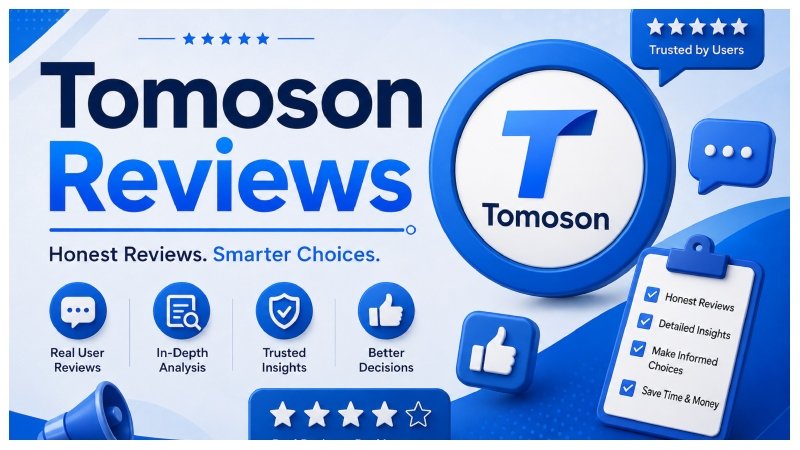
If you’ve poked around influencer marketing platforms, you’ve probably stumbled on Tomoson reviews that swing from “great for first campaigns” to “spam factory that ghosts creators.” That’s not surprising. Tomoson has been around since 2009, survived Amazon’s reviews crackdown, and still puts a marketplace of 90,000+ influencers in front of brands for a flat monthly fee. Whether that mix still works for you in 2026 is the real question, and the answer depends on which side of the marketplace you sit on.
This guide walks you through what Tomoson actually does, what it costs, what real users complain about, and the alternatives worth considering when you’d rather pay more for analytics and fewer headaches.
What Tomoson Is and How It Works
At its core, Tomoson is a two-sided market place. Brands post campaigns, influencers apply, and both sides agree on deliverables such as blog posts, Instagram Stories, or Facebook shares. Once the terms are confirmed, the product or payment is sent to the influencer.
a There’s no enterprise sales call, no white-glove onboarding. You sign up, browse applicants, and run with it. Source Forge lists the platform with a 90,000+ influencer network, which makes it one of the more established names for small ecommerce brands running their first paid campaigns.
For creators, the workflow looks like this: free signup, fill out your niche and audience stats, then browse open campaign listings. You apply, the brand approves your application, you create and publish the content, and Tomoson tracks the proof of publication.
For brands, it’s the mirror image: post a campaign listing, filter applicants, ship product or money, review the content queue.
Most of the friction from negative Tomoson reviews happens after approval. Payment terms are vague, brand responsiveness varies, and creators sometimes end up producing content for free if a brand disappears.
Tomoson Pricing in 2026
One thing Tomoson does unusually well is publish its pricing without a sales gate. As of mid-2026, the brand-side plans look like this (all monthly billing):
| Plan | Price | Active campaigns | Hires / month | Team seats |
| Basic | $49 | 1 | 25 | 1 |
| Starter | $99 | 10 | 100 | 3 |
| Business | $199 | 30 | 300 | 5 |
| Agency | $399 | 100 | 1,000 | 10 |
| Scale | $599 | 100 | 3,500 | 20 |
A 21-day free trial is available, and it begins at the Starter tier. Influencers register and apply for free — no subscription on that side.
Here’s the part most people miss: every plan ships the same feature set. Unlimited content feeds, 150 connected social accounts, 3,000 scheduled posts, engagement reports, and report exports.
So when you move up a tier, you’re paying for volume (more campaigns, more hires, more seats), not capability. That makes the $49 Basic plan genuinely useful for a solo founder testing the influencer waters.
Pros Worth Knowing About
For all the noise, several real strengths show up consistently across Tomoson reviews:
Low entry cost. $49/mo is dramatically cheaper than Up fluence, GRIN, or Aspire, which often start in the four-figure monthly range. SaaS Odds flags Tomoson as one of the more budget-friendly options still offering unlimited content tools.
Transparent pricing. You don’t need a sales call to see numbers, which is rare in this corner of the market.
Free for creators. Bloggers and micro-influencers can monetize small audiences without a subscription.
Established network. A 90,000+ influencer pool means small brands can find relevant creators without grinding through cold outreach.
Cons Real Users Actually Complain About
Honest Tomoson reviews aren’t hard to find if you read the comments on Reddit, G2, and SEO forums. The complaints cluster into a handful of themes.
Email spam and list retention. One of the most common complaints comes from brand owners who say that Tomoson floods their inboxes with emails after signup, making the unsubscribing process unnecessarily difficult.
Reddit’s r/SEO thread captures the pattern clearly.
Hit-or-miss content delivery. Brands report that nearly half of approved influencers fail to publish the reviews or posts they agreed to create.
That means shipping product to 20 creators and ending up with eight usable pieces of content, which burns margin fast.
Irrelevant applicants. The creator pool skews heavily toward general lifestyle and parenting blogs, so niche brands (think craft beer, B2B software, outdoor gear) often get drowned in mismatched applications.
Limited Amazon review support. Since Amazon banned incentivized reviews in 2016, Tomoson’ pathway to Amazon star reviews is restricted. “The platform itself identifies policy risks as the biggest concern for sellers using its marketplace.”
Dated UI. Several reviewers describe the dashboard as visually behind newer tools, with occasional drops in social-account integrations.
The common thread: Tomoson prioritizes marketplace scale over quality control. You get volume, but you’re doing more filtering and chasing than you’d do on a curated platform.
Tomoson Reviews: What Real Users Say
Influencer-side voices tend to land in the middle. One long-time creator wrote that they maintain a 100 percent on-time review rate and eventually converted Tomoson brands into long-term direct partnerships. Reddit Other creators echo this — coupon-code campaigns convert well, and the platform fits as a small side-income stream when paired with patience.
The lesson from aggregator reviews: your experience is mostly determined by which brands you get matched with, and brand vetting on the platform is limited. Always read the campaign terms carefully before applying or approving.
Best Alternatives If Tomoson Doesn’t Fit
If Tomoson’ trade-offs don’t match what you need, five alternatives cover most use cases. Tomoson’ own comparison guide lays out the differences cleanly:
-
- Up fluence — Best for mid-market brands wanting better creator search and seat-based reporting.
- GRIN — Best for DTC e-commerce brands on Shopify or Magento, with a strong focus on ambassador programs and discount-code tracking.
- Tribe — Best for startups running fast product-sample campaigns with pay-per-performance pricing.
- Intellifluence — Best for indie brands on tight budgets; credit-based pay-per-task model.
- Aspire — Best for agencies and large teams running multi-channel creator programs with contract management.
For AI-enabled discovery and vetting, larger platforms like Modash, Sprout Social Influencer Marketing, CreatorIQ, and HypeAuditor are common picks when budget isn’t the constraint.
Should You Still Use Tomoson in 2026?
Quick verdict. Tomoson is a solid, affordable starting point if you’re a solo founder or small ecommerce brand launching your first paid influencer campaign. Pricing is transparent, the network is large, the entry barrier is low, and the same features ship at every tier. The honest downside is that you’ll deal with email-list persistence, variable content delivery, and a creator pool that doesn’t always match your niche.
Pick Tomoson if your priority is low cost and you have time to filter applicants manually. Skip it if you need deep analytics, native ecommerce integrations, Amazon star-review delivery, or a modern UI. For most people who land here searching for Tomoson reviews, that trade-off is the only one that actually matters. Visit tomoson for more details.